
Glasses Too Tight? Frame Adjustment in San Francisco
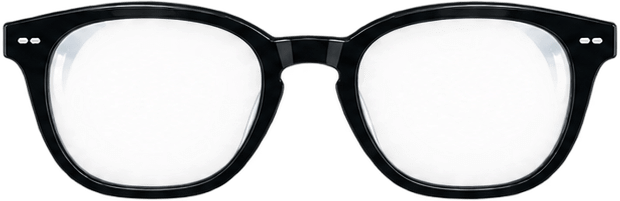
Glasses that pinch your temples, press behind your ears, leave uncomfortable nose pressure or feel progressively tighter during the day may need professional frame adjustment.
The Pressure Can Come From Several Parts of the Frame
A professional eyeglass fitting looks at more than whether the frame feels “tight.” The location of the pressure often helps identify which part of the frame needs attention.
Frame Too Narrow
If the overall frame width is too narrow, the temples can press against the sides of your head.
Temple Arms Curve Too Far Inward
Temple curvature that is too aggressive can create pressure behind the ears or along the side of the head.
Bridge or Nose-Pad Pressure
Incorrect nose-pad position or an unsuitable bridge fit can create uncomfortable pressure on the nose.
Frame Has Become Misaligned
A frame that has been bent, sat on or distorted can begin to fit differently from when it was new.
Temple Length Is Wrong
Temples that do not sit correctly behind the ears can create concentrated pressure instead of distributing support comfortably.
Frame Size Is Simply Wrong
Some frames have limited adjustment range. If the underlying size is unsuitable, a different frame may be the better solution.
Where Do Tight Glasses Usually Hurt?
- Pressure at the temples
- Pain or soreness behind the ears
- Nose-pad marks or pinching
- Frame squeezing the sides of the head
- Discomfort after wearing glasses for several hours
- One side feeling tighter than the other
Different Pressure Points Need Different Adjustments
Pressure at the temples may require a different correction from discomfort behind the ears or on the bridge of the nose.
That is why it is better to evaluate how the complete frame sits on your face rather than simply bending the temples outward.
How Tight Glasses Are Adjusted
The exact adjustment depends on the frame, material, fit problem and how the glasses sit when you wear them.
Check the Fit
Identify where the frame is creating pressure and whether the glasses sit level and stable.
Adjust the Appropriate Area
Depending on the frame, this may involve the temples, nose pads or overall alignment.
Recheck Comfort & Stability
The frame should feel more comfortable without becoming excessively loose or unstable.
Tight at the Temples
Temple pressure can come from a narrow frame front or temples that angle inward too aggressively.
Hurts Behind the Ears
The temple bend, temple length or overall frame position may be placing too much pressure behind the ears.
Pinches the Nose
Nose-pad position, bridge fit and how the weight of the glasses is distributed can all affect nose comfort.
Should You Bend Tight Glasses at Home?
Be careful.
Different frame materials respond differently to heat and pressure. Forcing a frame without knowing where the adjustment is needed can create a new alignment problem or damage the frame.
- Temple arms can snap
- Hinges can be stressed
- Plastic can distort
- The frame front can become crooked
- The glasses can become too loose
Adjust the Cause, Not Just the Symptom
If the glasses feel tight, the goal is not simply to make the frame wider.
The correct adjustment depends on where the frame presses, whether it sits level, how the temples follow your head, and how the bridge or nose pads support the frame.
Professional Glasses AdjustmentMany straightforward frame-fitting adjustments may be handled during the same visit, but timing depends on the frame material, condition, fitting problem and current workload. If timing is important, call CV Optical before coming in.
Frame Fit Is Especially Important With Progressive Lenses
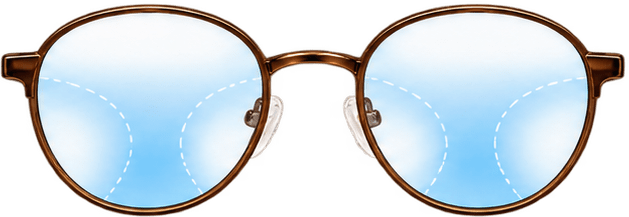
Progressive lenses use different areas of the lens for distance, intermediate and near vision.
If a progressive frame sits differently after adjustment, the fitting position should still remain appropriate for the prescription and lens design.
Progressive Lens OptionsSingle-Vision Glasses Still Need a Comfortable Fit
Even with Single Vision lenses, the frame should sit securely without excessive pressure at the temples, bridge or behind the ears.
Single-Vision LensesWhat If the Glasses Are Simply Too Small?
Not every uncomfortable frame can be fixed with adjustment.
If the frame width is fundamentally too narrow, the bridge does not fit correctly, or the temples are too short, a better-fitting frame may be the more practical solution.
- Frame width too narrow
- Bridge size unsuitable
- Temple length too short
- Frame shape does not fit comfortably
Fit Should Come Before Style Alone
A frame can look good but still be the wrong size.
When choosing another frame, comfort, bridge position, temple length and overall width should be considered along with appearance.
Explore Eyeglass FramesGlasses Feel Different After Lens Replacement?
A frame can sometimes feel different after it has been handled for lens installation, or the balance of the finished glasses may feel different with a new lens material.
If the glasses pinch, sit crooked or feel unusually tight after new lenses are installed, the frame fit should be checked.
Comfortable Frame but Prescription Needs Updating?
If the frame fits well and remains structurally suitable, you may be able to keep it and replace only the prescription lenses.
Prescription Lenses in Your Own FramesBring Your Tight or Uncomfortable Glasses to CV Optical
If your glasses pinch at the temples, hurt behind the ears or feel uncomfortable on the nose, bring the actual frame in for a fitting evaluation.
We can look at how the frame sits and determine whether adjustment may improve comfort.
☎ Call (415) 921-3222 📍 Get DirectionsSan Francisco, CA 94115
More Help With Uncomfortable or Misaligned Glasses
Tight Glasses Adjustment FAQ
Why do my glasses feel too tight at the temples?
Pressure at the temples can come from a frame that is too narrow, temple arms that curve inward too much, frame distortion or a fit that needs adjustment. The frame should be inspected before it is bent or reshaped.
Can tight glasses be professionally adjusted?
Often, yes. Depending on the frame material and construction, the temples, nose pads or overall alignment may be adjusted to improve comfort while keeping the frame stable.
Can glasses that hurt behind my ears be adjusted?
Often, yes. Pressure behind the ears may come from temple curvature, temple length or how the frame sits on your head. A professional fitting can identify which part of the frame is creating the pressure.
Should I adjust tight glasses myself?
It is safer to have the frame evaluated before bending it yourself. Different frame materials respond differently to heat and pressure, and forcing the frame can damage temples, hinges or the frame front.
Can tight glasses cause discomfort or pressure around my head?
Yes. A frame that presses too firmly at the temples, nose or behind the ears can feel uncomfortable. Persistent headaches or symptoms that continue after the fit is corrected should be discussed with an appropriate healthcare professional.
How long does a glasses adjustment take?
Adjustment time depends on the frame material, condition and fitting problem. Simple adjustments may be handled during the same visit, while damaged frames or more complex issues can require additional time.
What if my frame is simply too small?
Adjustment has limits. If the frame width, bridge size or temple length is fundamentally wrong for your face, a better-fitting frame may be more comfortable than repeatedly adjusting an unsuitable size.
Glasses Pinching or Feeling Too Tight?
Bring your frame to CV Optical in San Francisco for a professional fit evaluation. The goal is a secure frame without unnecessary pressure at your temples, nose or behind your ears.