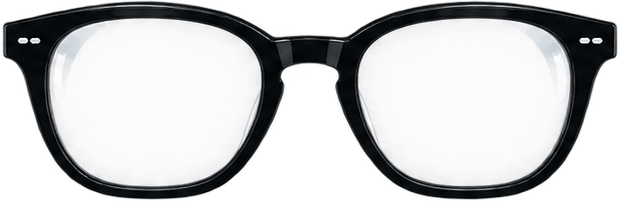
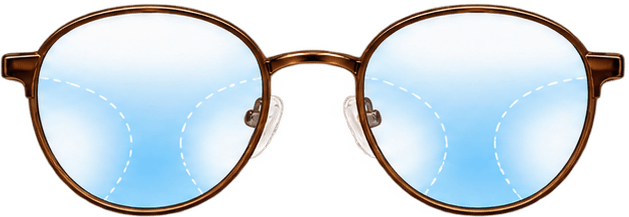
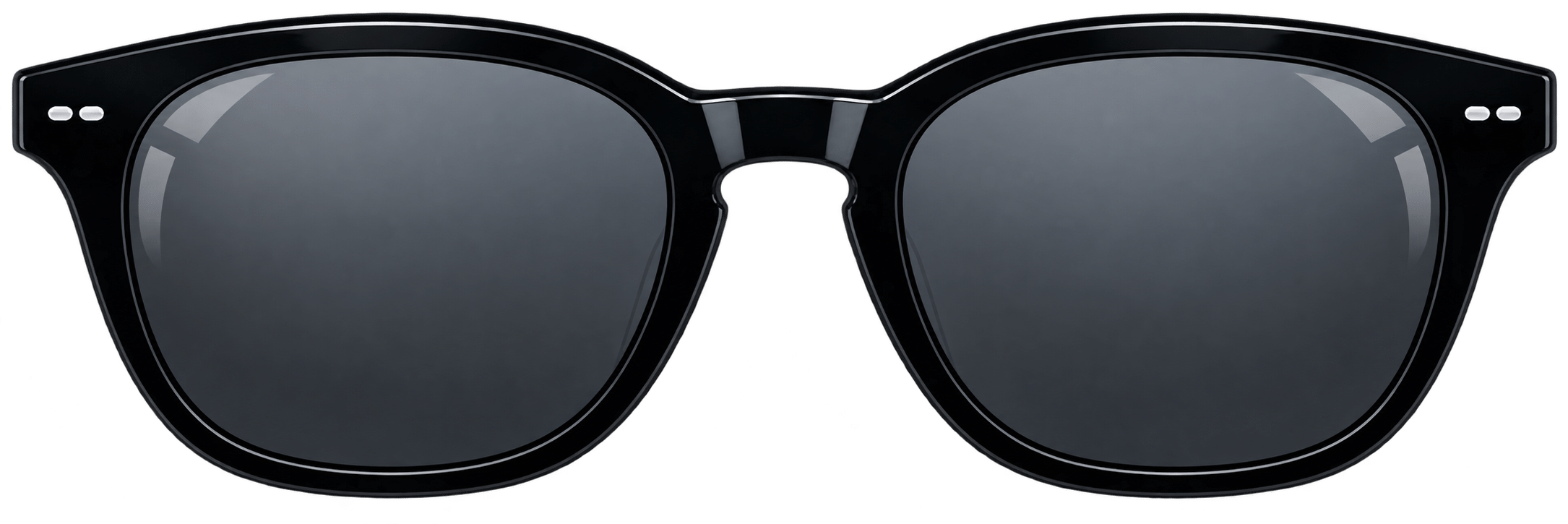

Prescription Eyeglasses in San Francisco
Choose eyeglass frames and prescription lenses that work together for clear vision, comfortable wear and a fit that feels right. CV Optical provides in-person frame fitting, lens guidance and prescription eyeglasses in San Francisco.
Clear Vision Optical / CV Optical • 2186 Geary Blvd, Unit 102 • San Francisco, CA 94115
Your Glasses Should Match More Than Your Prescription
Your prescription determines the optical correction, but the finished glasses also depend on the frame, lens design, measurements, material and how you use your vision throughout the day.
New Prescription Eyeglasses
If you need a completely new pair, start by choosing a frame that fits correctly and works with your prescription.
- Try frames on in person
- Check bridge and temple fit
- Consider frame size with your prescription
- Choose single-vision or progressive lenses
- Compare lens materials and coatings
- Take the necessary optical measurements
You May Not Need to Replace the Entire Pair
If your existing frames still fit correctly and remain structurally sound, they may be suitable for new prescription lenses.
The frame should be inspected first because condition, size, mounting system and lens design can affect whether reuse is appropriate.
Explore Lens ReplacementChoose Lenses Around How You Actually See
The right lens depends on your prescription, the distances you need to see and the frame you select. Not every upgrade is necessary for every customer.
Single-Vision Lenses
Single-vision lenses provide one primary prescription correction, such as distance or near vision.
Shop single-vision lenses →Progressive Lenses
Progressive lenses combine distance, intermediate and near viewing zones without a visible bifocal line.
Shop progressive lenses →High-Index Lenses
Higher-index materials may help reduce finished lens thickness for suitable moderate or stronger prescriptions.
Learn about high-index lenses →Anti-Reflective Coating
Anti-reflective coatings can reduce distracting reflections and may be useful for night driving, computer work and everyday cosmetic appearance.
Photochromic Lenses
Photochromic lenses change tint in response to ultraviolet exposure and can provide a convenient clear-to-dark option.
Prescription Sunglasses
Prescription sunglasses may be made with tinted or polarized lens options depending on your prescription and selected frame.
The Frame Changes How the Finished Glasses Feel
An attractive frame is only useful if it also sits comfortably and remains properly positioned.
- Bridge should sit securely without excessive pressure
- Frame width should match your face comfortably
- Temples should sit correctly behind the ears
- Frame should not constantly slide or tilt
- Lens opening should work with the prescription
- Progressive fitting measurements should remain stable
Frame Fit Matters Even More With Progressives
Progressive lenses depend on accurate horizontal and vertical measurements. A frame that constantly slides or changes position may make consistent alignment more difficult.
We consider frame depth, bridge stability, pupillary distance and fitting height when preparing progressive eyeglasses.
Compare Progressive OptionsFrom Prescription to Finished Glasses
The goal is to make the process understandable: choose a frame, match the lenses to your visual needs, take accurate measurements and make final adjustments when the glasses are ready.
Bring Your Prescription
Bring your current prescription if available. If you do not have one, call us and we can explain the next step.
Choose Your Frame
Try different shapes and sizes and choose a frame that works for your face and prescription.
Choose Your Lenses
Compare lens design, material and useful optional treatments based on your needs.
Take Measurements
Required optical measurements are taken using the selected frame and lens design.
Final Fit
When the glasses are ready, the frame can be adjusted for comfortable positioning.
Tell Us Where Your Vision Matters Most
Two people with similar prescriptions may still benefit from different lens choices because their daily activities are different.
Driving
If you drive frequently, especially after dark, lens clarity and reflection control may be important considerations.
Computer & Office Work
Screen distance and intermediate viewing needs can influence whether standard, progressive or occupational lens designs deserve consideration.
Reading & Near Work
Reading habits, working distance and your prescription can influence near-vision lens recommendations.
Outdoor Vision
Prescription sunglasses, polarized lenses and photochromic options can improve comfort for suitable outdoor uses.
Do You Need High-Index Lenses?
High-index lenses are not necessary for everyone. They may be useful when a prescription would otherwise produce thicker lenses.
Finished lens thickness also depends on frame size, frame shape, eye position and the prescription itself, so material should not be chosen in isolation.
High-Index Lens GuideShould You Add Anti-Reflective Coating?
Anti-reflective coating can reduce visible reflections from lens surfaces and may improve visual comfort in situations such as night driving and prolonged screen use.
It is an optional treatment, not something every customer automatically needs. We can explain the available choices and let you decide whether the benefit makes sense for your glasses.
Clear Vision Outdoors
If you need vision correction outdoors, prescription sunglasses combine your prescription with sun lenses in a compatible frame.
Options may include standard tint, polarized lenses and different lens materials, depending on your prescription and selected frame.
- Single-vision prescription sunglasses
- Progressive prescription sunglasses
- Polarized lens options
- Tint choices
- Prescription-compatible sunglass frames
One Pair Does Not Have to Do Everything
Some customers prefer a separate pair for specific activities rather than asking one pair of glasses to solve every visual situation.
- Everyday glasses
- Prescription sunglasses
- Computer or work glasses
- Backup glasses
- Dedicated reading pair
Lens Replacement
Already have frames you like? If they remain suitable, they may be able to accept new prescription lenses.
Lens replacement options →Glasses Adjustments
If your glasses slide, sit crooked or create pressure, a professional adjustment may improve the fit.
Glasses adjustments →Glasses Repair
Broken or damaged glasses can be inspected to determine whether repair, adjustment or replacement makes sense.
Glasses repair San Francisco →What Determines the Cost of New Glasses?
The final price depends on both the frame and the prescription lens package.
- Frame selected
- Single-vision vs progressive lenses
- Prescription strength
- Lens material
- Anti-reflective or other coatings
- Photochromic or polarized options
- Specialized prescription requirements
We can explain the options and provide the price before the order is finalized.
Ask About Financing
If you prefer to spread the cost of eligible eyewear purchases, ask about available financing options.
Eligibility, terms and available promotions can vary, so review current details before making your purchase.
Learn About CareCreditTry the Frames On Before You Decide
Online photographs can show a style, but they cannot tell you how the bridge, temples or frame width will feel on your face.
Visit CV Optical to try frames in person, review your prescription and compare lens options before placing your order.
☎ Call (415) 921-3222 📍 DirectionsSan Francisco, CA 94115
Frames, Lenses and Local Optical Services
Use these guides to compare your options before visiting the store or ordering lenses online.
Prescription Eyeglasses FAQ
Where can I buy prescription eyeglasses in San Francisco?
CV Optical, also known as Clear Vision Optical, provides prescription eyeglasses, frame fitting and prescription lens guidance at 2186 Geary Blvd, Unit 102 in San Francisco.
What type of prescription lenses are available?
Options may include single-vision, progressive, high-index, anti-reflective, photochromic, polarized and prescription sunglass lenses depending on your prescription and selected frame.
Can you put new prescription lenses in my old frames?
Often, yes. The existing frame should first be inspected for structural condition, fit and compatibility with the new prescription and selected lens design.
Do I need my prescription before choosing frames?
You can look at frames before having a prescription, but bringing your current prescription allows us to consider lens requirements while helping you choose the frame.
What is the difference between single-vision and progressive lenses?
Single-vision lenses correct one primary viewing distance. Progressive lenses combine distance, intermediate and near zones without a visible bifocal line.
Are high-index lenses better for stronger prescriptions?
High-index materials may help reduce lens thickness for suitable moderate or stronger prescriptions. Finished thickness also depends on frame size, frame shape, prescription and eye position.
Can I buy prescription lenses online from CV Optical?
Yes. CV Optical offers online ordering for single-vision and progressive prescription lenses.
What if my new glasses do not fit correctly?
If the glasses slide, sit unevenly or feel uncomfortable, bring them in for evaluation. Frame adjustments can often improve fit and positioning.
Ready for Prescription Eyeglasses in San Francisco?
Bring your prescription to CV Optical, try frames in person and compare lens options with guidance based on how you actually use your glasses.