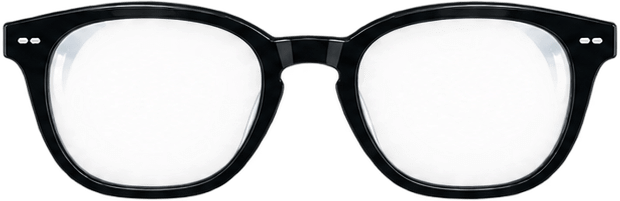
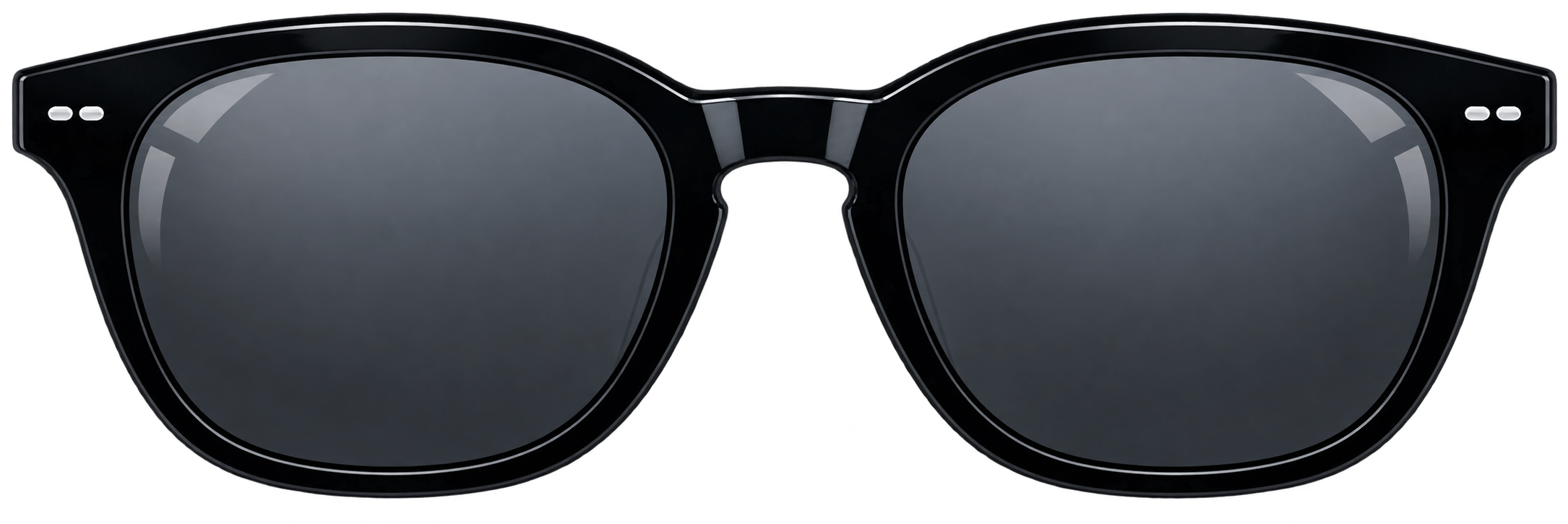

Is It Worth Replacing Lenses Instead of Buying New Glasses?
If your prescription changed, your lenses are scratched or you want a different type of lens, you may not need to replace your entire pair of glasses.
When Is Replacing Lenses Worth It?
Replacing your prescription lenses can make good sense when the frame still fits comfortably, remains structurally sound and is compatible with the prescription and lens design you need.
- Your prescription changed
- Your lenses are scratched or worn
- You like the current frame
- The frame still fits properly
- You want a different lens material or design
- You would rather not purchase another frame unnecessarily
When Should You Replace the Whole Pair?
Lens replacement is not automatically the best choice.
- The frame is cracked or badly distorted
- Frame material has become brittle
- Hinges or mounting areas are failing
- The frame no longer fits correctly
- The new prescription is not a good match for the frame
- You simply want a different style or size
Replacing Lenses vs Buying New Glasses
There is no single right answer for everyone. The best choice depends on your frame, prescription, desired lenses, fit and budget.
| Decision Factor | Replace Lenses | Buy New Glasses |
|---|---|---|
| Existing Frame | You keep your current frame. | You choose and purchase another frame. |
| Frame Condition | Best when the frame remains structurally suitable. | Often better when the old frame is badly damaged or worn. |
| Fit | Useful when you already like how the current frame fits. | Better if the old frame is too narrow, too large or otherwise uncomfortable. |
| Prescription | New prescription lenses may be made for a compatible existing frame. | A new frame can be chosen specifically around the new prescription and fitting needs. |
| Cost | You avoid purchasing another frame, but lens price still depends on the prescription and options selected. | Total cost includes the new frame plus prescription lenses and selected upgrades. |
| Style | You keep the appearance you already like. | You can choose a completely different look. |
| Lens Upgrades | You may still choose a different lens design, material or treatment when compatible. | You can coordinate a new frame and new lenses together. |
Why People Replace Lenses Instead of Buying New Glasses
Your Prescription Changed
If the frame still fits well, a prescription change does not automatically mean you need another frame.
Your Lenses Are Scratched
Scratches, coating deterioration or other lens damage may justify replacing the lenses while keeping a suitable frame.
You Like Your Current Frames
A familiar frame that fits well may be worth keeping rather than trying to find another frame with the same feel.
You Want Progressive Lenses
Some existing frames can accommodate Progressive lenses when the frame dimensions and fitting position are appropriate.
You Want Thinner Lenses
Depending on the prescription, a higher-index material may be considered when a thinner lens profile is desired.
You Want Different Lens Features
Replacement can also be an opportunity to consider photochromic, polarized, tinted or anti-reflective lens options when appropriate.
Not Every Old Frame Should Be Relensed
The age of a frame alone does not decide whether it can be reused. Condition is more important.
Before new lenses are made, the frame should be evaluated for issues that may make lens installation or continued use less appropriate.
- Cracks in the frame material
- Brittleness or deterioration
- Loose or damaged hinges
- Damaged screw or mounting areas
- Distortion or severe bending
- Poor fit
The New Prescription Has to Work With the Frame
A frame may be physically sound but still be less suitable for a particular prescription or lens design.
Frame size, shape, lens depth, fitting position and prescription strength can influence whether keeping that frame is a good choice.
This is especially important when changing from one lens design to another, such as moving from Single Vision to Progressive lenses.
Is Lens Replacement Cheaper Than Buying New Glasses?
It can be, because keeping your current frame means you do not need to purchase another frame.
But the final cost still depends on your prescription, lens design, lens material and any treatments or upgrades you choose.
For that reason, it is better to compare the actual lens options you need rather than assume every relensing job will cost less than every new pair.
A Frame You Already Know Fits Has Value Too
Price is only one part of the decision.
If your existing frame is comfortable, sits correctly and has a style you already like, keeping it may save you from having to find and adjust to a different frame.
What If the Frame Is Fine but the Lenses Are Scratched?
That is one of the clearest situations where lens replacement may be worth considering.
If the frame remains suitable, you may be able to replace the damaged lenses without replacing the frame.
Replacing Scratched Prescription LensesUpdate the Prescription at the Same Time
If you already need replacement lenses and your prescription has changed, the new lenses can be made using the appropriate current prescription when the frame is compatible.
That allows you to solve both issues without automatically buying a different frame.
You Can Keep Your Frames and Still Change Your Lens Type
Keeping your frame does not necessarily mean recreating the exact lenses you had before.
Single-Vision Lenses
Single Vision lenses provide one primary prescription focus, such as distance or reading.
If your current frame is suitable, new Single Vision prescription lenses may be made for it.
Shop Single VisionProgressive Lenses
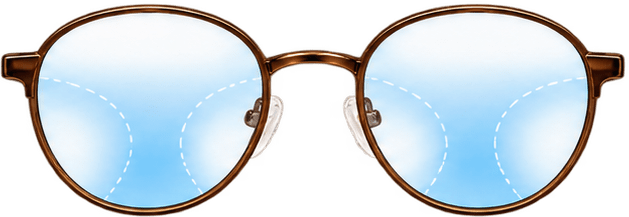
Progressive lenses provide multiple viewing zones for distance, intermediate and near vision without a visible bifocal line.
The frame must provide a suitable fitting position and enough usable lens area for the selected design.
Shop ProgressiveA Good Rule: Keep a Good Frame. Replace a Bad Frame.
If your current frame is comfortable, structurally sound and compatible with the prescription lenses you need, replacing only the lenses may be the practical choice.
If the frame is cracked, brittle, badly distorted, poorly fitting or unsuitable for the prescription, putting new lenses into it may not be the best investment.
Keeping a Usable Frame Can Also Reduce Unnecessary Disposal
If a frame is still structurally suitable, reusing it can extend its useful life instead of discarding it solely because the lenses changed.
That does not mean relensing is always the environmentally or financially superior choice, but keeping a usable product in service longer can be a practical benefit.
An Unsuitable Frame Is Not Worth Saving at Any Cost
Reusing an existing frame only makes sense when that frame is still appropriate for continued wear.
A frame with significant structural deterioration should not be kept merely to avoid purchasing another frame.
Get New Prescription Lenses in Your Own Frames
If the frame you already own is suitable, CV Optical can help you keep it and update the prescription lenses.
Prescription Lenses in Your Own FramesNot Sure Whether Your Frames Are Worth Keeping?
Bring your glasses to CV Optical and we can look at the condition and fit of the frame before you decide between replacement lenses and a completely new pair of glasses.
☎ Call (415) 921-3222 📍 DirectionsSan Francisco, CA 94115
Learn More Before You Decide
Replacing Lenses vs Buying New Glasses FAQ
Is replacing lenses cheaper than buying new glasses?
It can be. If your existing frame is still suitable, lens replacement removes the need to purchase another frame. The actual difference depends on the replacement lenses, lens material, treatments and the cost of any new frame you would otherwise choose.
How do I know if my frames can be reused for new lenses?
The frame should be inspected for cracks, brittleness, worn hinges, damaged mounting points, fit and compatibility with the new prescription and lens design. Not every older frame is suitable for relensing.
Can I update my prescription and keep my existing frames?
Often, yes. If the frame is in suitable condition and works with the new prescription, new prescription lenses may be made for the same frame.
Can I switch from Single Vision to Progressive lenses?
Possibly. The frame must provide a suitable fit and lens area for the selected Progressive design, and accurate fitting measurements are important. Not every frame that works for Single Vision is ideal for every Progressive lens.
Is it worth replacing scratched prescription lenses?
It may be worthwhile when scratches interfere with clarity, create distracting reflections or affect daily use and the existing frame remains suitable. Minor scratches that do not affect vision may not require immediate replacement.
When is buying new glasses the better choice?
New glasses may be the better choice when the existing frame is cracked, brittle, badly distorted, no longer fits correctly, is unsuitable for the new prescription or when you simply want a different frame.
Can I order replacement prescription lenses online?
Yes. CV Optical offers online Single Vision and Progressive prescription lens options for suitable existing frames.
Good Frames Don't Automatically Need to Be Replaced.
If your frame still fits well and remains suitable, choose the prescription lens type you need or bring the glasses to CV Optical for an in-person evaluation.